Cambridge: A City Where History and Academia Meet
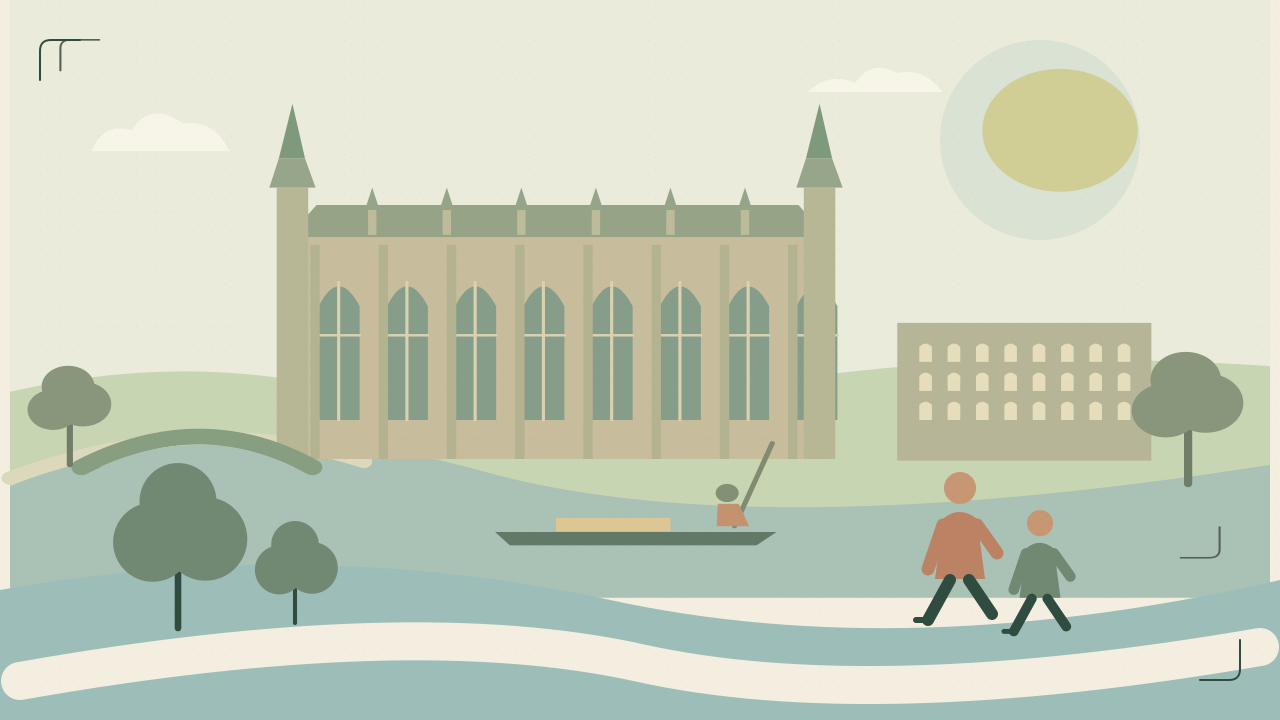
Cambridge stands as a beacon of history and academic excellence, its identity interwoven with the University and the River Cam that gracefully runs through it. Far beyond the institution’s global reputation, the city itself offers a context rich in architectural diversity, leafy green spaces, and a vibrant cultural scene. The presence of the University’s colleges within the city centre not only shapes the skyline but inflects everyday life, influencing local businesses, cultural offerings, and the rhythms of urban activity. Visitors approaching Cambridge will find that understanding the city’s character involves appreciating how the historic colleges connect with the community and the natural elements, such as the Cam, that provide both a literal and metaphorical flow through the cityscape. This lens invites travellers to consider not only the facts of arrival and convenience but the stories, traditions, and visual landmarks that define Cambridge’s unique atmosphere. In this way, the city readies itself for exploration as an open book of learning and leisure — an experience rooted in place and layered with centuries of continuity and change Visit Cambridge.
Planning a visit around the relationship between colleges, streets and river can be more rewarding than collecting entrance tickets. Start by distinguishing a public street or path from a college visitor route: the Backs are not a continuous public riverside promenade through every college garden. A view from a bridge and a visit inside a college offer different experiences, and neither obliges you to add the other. Choose an architectural feature or historical subject you want to understand, then leave room to notice the ordinary activity around it. Cambridge remains a place where people study, work and live while visitors explore.
The Colleges: Architectural Heritage and Community Life
Each Cambridge college is a microcosm within the city, combining centuries of architectural styles with ongoing collegiate life. Their walls contain layers of history, educational achievement, and cultural practices that shape each visitor’s impression. For instance, King’s College Chapel, renowned for its magnificent Gothic architecture and fan-vaulted ceiling, stands as a symbol both of religious heritage and of the college’s pivotal role in Cambridge’s identity. The chapel’s stained glass and acoustics offer a setting for choral performances that remain deeply connected to university traditions. Visiting King’s College extends beyond viewing an iconic building; it is an encounter with a century-spanning narrative of academic devotion and artistic patronage King’s College Visiting Information.
Trinity, St John’s and Clare offer different perspectives on college architecture and landscape, but their visiting arrangements are separate. Trinity’s official visitor page currently distinguishes booked porter-led tours from access to the Backs and the limited public opening of the Wren Library. Great Court is not generally open for casual public wandering. If the library is your priority, check its own hours and entrance rather than assuming that a college tour includes it. The Bridge of Sighs belongs to St John’s; seeing it from the river is different from entering the college or crossing the bridge. These distinctions make a practical difference to a short visit. Choose one confirmed route first, with time to look carefully at a courtyard, window or riverside façade, and treat another college as an option only if it fits the available time.
The River Cam: Natural and Cultural Axis
The River Cam threads through Cambridge with a gentle persistence, integrating natural beauty with the architectural majesty of the colleges that it borders. Punting on the Cam provides one of the most evocative experiences available, offering a privileged vantage point that reveals the ‘college backs’ — the historic riverside facades and verdant gardens that often remain hidden at street level. Guided punting tours elucidate the historical and cultural significance of these views, including landmarks such as the Mathematical Bridge and the Bridge of Sighs at St John’s College, iconic representations of inventive design and collegiate lore Visit Cambridge.
Riverside walks offer another way to encounter the Cam, although the public route does not always stay beside the water. College gardens and private bridges interrupt the idea of a single open waterfront path. Use a current walking map, follow signs and be willing to return to the streets between viewpoints. The shifting relationship between façades, trees and river is still visible without access to every lawn. On a wet day, choose a known indoor stop nearby rather than planning to shelter in a college bridge or cloister. A bridge can be a landmark seen from outside without being a public crossing, and a river view does not establish that the adjacent café has covered seating available.
Curated Visits: A Realistic Path Through Colleges and Gardens
For a first visit, choose King’s College Chapel and its advertised grounds as the main booked stop, then add a short walk on public streets or permitted paths to another viewpoint. King’s visitor information links to current tickets, opening times and access guidance. The Backs can be part of the landscape you appreciate, but do not expect a seamless route through King’s, Clare, Trinity and St John’s. Check the actual entrance and exit of any college you book. A visit that includes time to read, sit and compare architectural details can be satisfying without entering several colleges. Decide in advance which element you would drop if an attraction takes longer than expected.
Cambridge University Botanic Garden provides a different focus south of the central college area. Its visitor page identifies entrances on Trumpington Road and Hills Road and describes the walk from the city centre. Allow a real transfer rather than treating the Garden as the next part of the Backs. It can anchor a separate half-day, particularly for someone interested in plants, or replace a second college visit. The glasshouses add indoor interest, but the grounds and connecting walks remain outdoors. Check admission and opening arrangements before deciding whether the forecast suits a garden outing. A shorter garden visit should still allow time to enjoy selected collections, rather than simply crossing the site on the way elsewhere.
If you prefer an indoor alternative, choose one university museum according to its subject. The Fitzwilliam offers art and antiquities, while the Polar Museum focuses on polar regions and exploration. These are different destinations, with separate hours, and need not both be added to a college-and-garden day. Decide whether a museum replaces an outdoor stop or belongs on another day. Checking the selected display and entrance in advance can make the visit more focused than arriving with a general ambition to see everything Cambridge offers.
The Fitzwilliam Museum: Art and Antiquity at University’s Core
The Fitzwilliam Museum’s collections range from ancient objects to modern and contemporary art. General collection admission is free, while particular exhibitions can have separate tickets. Check the museum’s current visit page for the display you want to see, including its start and end dates: an advertised forthcoming exhibition is not yet available to visit. Choose a period, material or subject that interests you, and allow time to compare a few objects. A focused gallery visit can make a useful counterpoint to college architecture without requiring a complete tour of the museum. If a particular temporary exhibition is the main reason for travelling, confirm its ticket arrangements before building the rest of the day around it.
For step-free arrival, use the museum’s courtyard entrance; the main façade entrance involves steps and has no lift at that end of the building. A lift from the courtyard side serves other floors. Wheelchair loans are limited, and some gallery seating is limited too, so ask about the assistance or rest arrangements you need. Family resources are available, but the most useful choice depends on the ages and interests of the people visiting.
The Courtyard Kitchen provides a possible indoor break when open. Separate outdoor refreshment arrangements should not be assumed to offer the same shelter or access. Leave time for a meal or drink without making it an obligation to see another gallery afterwards. On a rainy day, staying with one collection and taking breaks can give the visit more continuity than repeatedly moving between museums. Look at labels for how an object was made, used or collected; the questions raised by a small group of objects can be as interesting as the scale of the whole building.
University Museums Beyond the Colleges: Polar and Earth Sciences
The Polar Museum, part of the Scott Polar Research Institute, offers a distinct perspective on polar places, exploration and research. Its official page currently lists free public admission from Tuesday to Saturday, 10am–4pm. Check the date you intend to visit, especially when comparing it with a museum that also opens on Sunday. The collections can prompt questions about how expeditions recorded places, what equipment made journeys possible and whose accounts are preserved. Choosing one such question gives a shorter visit a clear focus without assuming that every object or special exhibition will be on display.
The Sedgwick Museum of Earth Sciences and the University Museum of Zoology add different natural-science perspectives. The former focuses on Earth history through geological collections; the latter explores animal diversity. They should not be described as museums of world cultures, a different subject represented elsewhere in Cambridge’s collections. Check each museum’s own visitor information when choosing between them. A personal interest in fossils, rocks or animal forms is a useful guide to the choice, and a smaller selection of displays can be easier to remember than a hurried circuit of several museums.
These venues form complementary experiences to the arts and architecture-focused visits, inviting consideration of Cambridge as a diverse intellectual ecosystem. Accessibility varies by site, so potential visitors should check official sources, but each museum contributes a thematic layer to understanding the city’s multifaceted cultural identity. Utilizing these sites as alternatives or additions enriches a visit tailored to deeper academic or personal interests in Cambridge’s heritage.
Public Parks and Green Spaces: Complementing Academic Grandeur
Jesus Green and Midsummer Common offer public green space near the Cam beyond the central college riverfront. Cherry Hinton Hall Park is farther from the central college cluster and deserves a separate journey rather than being treated as an adjacent picnic stop. The City Council’s parks directory helps locate these different sites and their facilities. Choose a park that suits the day’s geography, especially if you want a short rest between visits. A green area shown on a map may be public parkland or private college grounds, and that distinction matters before planning a lunch stop.
Nature trails and butterfly-themed routes invite exploration beyond manicured lawns, engaging visitors with seasonal changes and native wildlife. For families or individuals seeking to combine cultural touring with leisure and reflection, these spaces present opportunities to pause and observe natural cycles. Respecting park use guidelines and local customs ensures that these open areas remain welcoming and well-maintained for all.
Public parks place the university city within a wider living landscape. Watching everyday use of a green space can be as revealing as visiting a historic court, and a pause outdoors may help balance a day spent reading museum labels. Choose a comfortable public path and leave room for other users rather than seeking an uninterrupted view at all costs.
Navigating Accessibility and Visiting Considerations
Cambridge’s historic buildings have different access arrangements. At King’s, consult the college’s own access guide for the Chapel and grounds, including the entrance and any assistance needed. An open visitor route does not establish that every college room or bridge is accessible. Plan the feature you want to visit and the journey to it, then ask the venue about any remaining uncertainty.
The Botanic Garden describes most of its grounds as accessible without steps, with exceptions for some heritage features. A museum’s lift or a garden’s broad path still needs to be considered alongside entrance widths, route length and available rests. If the route is essential to the day, contact the venue before booking and describe your actual requirements. Allow a second option nearby if a temporary closure affects the chosen space.
Plan the journey from your station or bus stop to the actual attraction entrance. A map pin at the centre of a large building or garden may not identify the route you need. If driving, check current city access restrictions and the chosen parking facility separately from attraction admission. Park and Ride can be useful for someone arriving by car, but it still requires a bus journey and an onward route to the destination. Do not assume a taxi can stop at every college gate.
Build enough flexibility into the day to change a route without losing the main purpose of the visit. One well-chosen college or museum can provide a substantial introduction to Cambridge, especially when the group needs a slower pace.
Rainy-Day Alternatives: Museums and Cafés
Choose an indoor attraction that matches your interests and is open on your travel date. The Fitzwilliam and Polar Museum are options, but have different weekly schedules. Allow for the exposed journey from the street or transport stop to the entrance. An indoor destination can replace a river activity, rather than becoming an extra stop squeezed around it.
An indoor café can provide a shorter break when you do not want another museum visit. Confirm the actual seating and service rather than assuming every college or riverside venue has a sheltered terrace. Public access to a college does not automatically include its cloisters, dining facilities or quiet rooms. Choosing a place near the route you are already taking keeps a wet-weather pause practical.
A chauffeured punt means someone else propels the boat; it does not make the trip enclosed or guarantee dry clothing. Scudamore’s visitor information says it operates in rain and assesses conditions before operating. Check the booking’s weather and cancellation terms, and choose an indoor alternative if the conditions do not suit your group. Boarding arrangements also need a separate discussion if mobility is a concern.
Decision Checklist for a Meaningful Cambridge Visit
Start with one main interest and one confirmed venue. Then decide which optional river, garden or museum experience fits around it without rushing.
- Identify priority sites based on interests: architecture, art, natural environments, or specific museums.
- Confirm opening times and any required advance bookings for popular venues like King’s College Chapel or the Fitzwilliam Museum.
- Review accessibility needs and contact venues in advance if assistance or accommodations are required.
- Plan for the Cam experience with options for guided punting tours or riverside walks, considering physical ability and weather.
- Allocate sufficient time for the Botanic Garden or University museums to complement architectural visits.
- Factor in alternative indoor activities and café stops for unpredictable weather.
- Use public transport or Park and Ride schemes to minimize parking difficulties and vehicle access restrictions.
- Respect local customs by minimizing noise and adhering to signage, especially within colleges and shared green spaces.
Before setting out, check that the itinerary has a clear start, a manageable return and time for food and rests. When two attractions compete for the same part of the day, choose the one that matters most to the group and keep the other for another visit. Leaving a little space in the plan gives you room to look more closely at Cambridge rather than simply moving through it.
Questions before your visit
How should I choose a first college visit?
Choose an advertised visitor route that matches a real interest: the Chapel at King’s, a particular college’s architecture, or a library visit with confirmed public hours. Start with one main stop and leave time for the surrounding streets. Great Court at Trinity should not be assumed open for an independent walk; check the college’s tour and library arrangements separately.
Are tours required, and do colleges open all year?
There is no single rule for all Cambridge colleges. Some offer self-guided visits, some have guided routes, and closures can affect particular dates or parts of a site. King’s encourages advance ticket purchase because same-day availability is not guaranteed. Check the specific college’s current calendar; university term dates alone do not establish whether tourists can enter.
Can a visitor using a wheelchair take a punt tour?
Discuss the exact departure point, transfer into the boat, seating and equipment requirements with the operator before booking. Scudamore’s identifies wheelchair access at its Mill Lane station but says arrangements vary by location and product. That is not a promise of staying in a wheelchair aboard every punt. A chauffeured trip removes the need to propel the boat, not the need to assess boarding.
What is a useful alternative when it rains?
Choose an indoor museum or café that is open, and allow for the outdoor journey to it. The Garden’s glasshouses can add indoor plant viewing, but do not make a whole garden visit sheltered. Do not rely on a private college bridge or cloister for rain cover. Punting may still operate in rain, so check terms before assuming a booking will be cancelled.
Where can I get a wider view of the city?
Great St Mary’s offers a ticketed tower climb with 123 steps to an outdoor viewing platform. Check its opening information and decide whether the climb suits you. Street-level viewpoints and permitted public river approaches provide other ways to see college buildings without a tower visit. A photograph does not require entering private grounds.
How can I respect the college community?
Keep to the visitor route, leave gates and doorways clear, and follow instructions about photography, lawns and quiet during worship or academic activity. Public parks have different rules from college grounds. If a door or path is marked private, choose another viewpoint instead of assuming a visitor ticket provides access. Consider the needs of residents, students and other visitors when stopping to look or take photographs.